

Wander the Stories Woven Into Britain’s Streets

Set your own pace across castle towns, coastal headlands, and centuries-old lanes as we explore Self-Guided UK Heritage Trails. This page welcomes curious walkers with practical planning tips, vivid stories, and respectful ways to meet history on foot, empowering you to design journeys that fit your interests, timing, and sense of wonder.

Planning Your Perfect Route

Choose distances that match your energy, link sights that speak to you, and weave transport connections without rushing. We outline mapping choices, pace strategies, and contingency planning so your self-guided exploration stays flexible, safe, and enjoyable, whether tracing Roman roads, canal towpaths, or cobbled passages between museums, viewpoints, and cafés.

Walking Through Time: Three Iconic Stops

Bath: Minerals, Mosaics, and Morning Steam

Arrive early to watch steam rise above the Roman baths while Georgian crescents glow like warmed honey. Walk crescents, corridors, and river terraces, pausing for a bun and museum stop. Notice reused stones, inscriptions, and spa rituals translated into modern wellbeing on peaceful, self-led loops.

York: Walls, Whispers, and Winding Lanes

Trace the city walls as bells drift from Minster towers and market chatter rises below. Pause at arrow slits, watch sunsets over red roofs, and imagine traders bargaining in the Shambles. Independent walkers can stitch Roman, Viking, and medieval layers into a single, satisfying afternoon circuit.

Edinburgh: Closes, Crowns, and Volcanic Views

Climb from the Royal Mile toward Arthur’s Seat, letting narrow closes funnel windborne stories between stone. Explore hidden courtyards, tenements stacked like decks, and a castle perched on ancient lava. Self-guided wanderers can pause for museums, viewpoints, and local bakeries without breaking the trail’s narrative.

Sustainability and Respect

Heritage stays alive when visitors tread lightly. Pack reusable bottles, avoid single-use plastics, and keep to paths that protect archaeology and fragile flora. Choose local guides, bakeries, and community museums where possible, supporting livelihoods that maintain archives, footbridges, and traditions your independent footsteps rely on and help to conserve.

Tools of the Trail

Pack light but wisely. A small power bank, water filter, blister kit, and notebook complement digital tools like OS Maps, What3Words, and audio guides. We compare options and share ways to balance screens with presence, keeping your attention grounded in texture, sound, and serendipity.

Stories to Unlock Along the Way

Every corner contains clues: place names echo languages, chimneys whisper industries, and hedgerows outline ancient fields. We show how to ask gentle questions, notice craftsmanship, and use plaques, archives, and recordings to stitch narratives that make independent walks richer, memorable, and deeply personal. Share discoveries, offer tips, or subscribe for monthly route updates.

Accessibility and Inclusive Routes

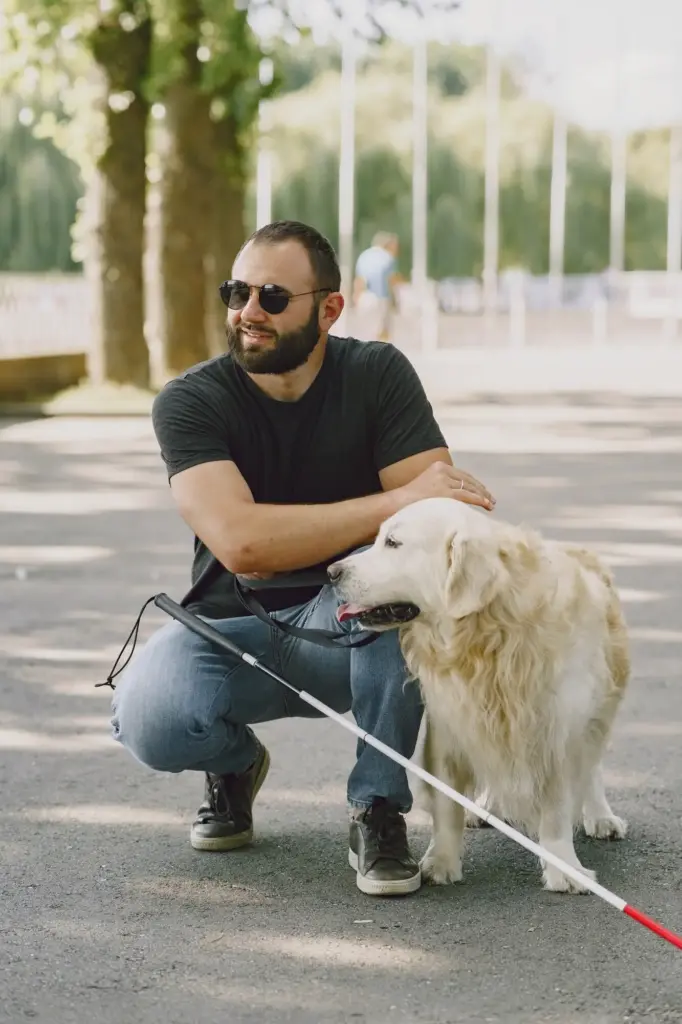
Independent exploration belongs to everyone. We gather step-free alternatives, terrain notes, restroom locations, and sensory considerations so more people can participate confidently. Expect advice on surfaces, gradients, benches, and quiet spaces, plus ways companions can assist respectfully without taking control or diminishing personal achievement and joy.
Filututozaloxelekazono
Privacy Overview

This website uses cookies so that we can provide you with the best user experience possible. Cookie information is stored in your browser and performs functions such as recognising you when you return to our website and helping our team to understand which sections of the website you find most interesting and useful.